Do crawl space fans work? What a federal retrofit report and the model code say about exhaust fans, their limits, and what to check before you buy one.
Use an AI assistant to explore the article
Choose an assistant. The article link and a ready-to-use summary prompt will be copied automatically.
 ChatGPT
 Gemini
 Claude
 Perplexity
 Grok
Table of contents
A crawl space fan sounds like the simple answer to a damp, musty space: move the air and the moisture leaves. Sellers and contractors describe fans in very different ways, from a cheap cure-all to a waste of money. The research is more specific than either claim. A fan can help in the right conditions, it does nothing about liquid water, and where it sits in the building matters more than its brand.
This guide explains what a crawl space fan actually does, what a U.S. Department of Energy Building America retrofit report measured, what the model building code says, and how to decide. It does not name products or prices, and it is general information, not engineering advice.
The Short Answer
A crawl space fan is most useful as part of a sealed (“closed”) crawl space, where it is a controlled exhaust that draws air through the space and out of the building. It is a weak tool against standing water, and in a vented crawl space in a humid climate it can bring in air that is more moist than the air you are trying to dry. Whether it makes sense depends on four things: where the water comes from, whether the space is sealed, what is in the space with it, and whether anyone checks that it is running.
- If liquid water enters the space, fix the water first. The report below says ventilation and dehumidification are the weaker tools for that problem.
- If the space is open to outside air through vents, read our guide to crawl space vents before adding a fan.
- If gas or oil equipment, a flue or a water heater is in the space, have it tested by a qualified professional before and after any change in air pressure.
What a Crawl Space Fan Actually Does
A fan moves air. Which air it moves depends on the building. A fan that exhausts to the outdoors lowers the air pressure in the crawl space slightly, so replacement air flows in from somewhere: through vents or leaks to the outside, through gaps in the floor from the rooms above, or both. In a space with many open vents, most replacement air comes from outdoors. In a space with sealed walls, more of it comes from the house above. That difference decides whether the fan helps or hurts, so it is worth looking at a real example.
What a Federal Retrofit Report Measured
A Building America evaluation of crawl space retrofits in multifamily buildings, written by Armin Rudd of Building Science Corporation, installed controlled mechanical exhaust in crawl spaces after the exterior crawl space windows were sealed and the walls insulated. Some of those windows had been letting in bulk water. The floor between the crawl space and the apartments above was leaky compared with the insulated, sealed foundation walls, so the exhaust fans preferentially drew air from the apartments above. The report says this helped dry the crawl spaces and improve air quality in the dwellings, and that it potentially reduces radon concentration in the crawl space and keeps contaminated crawl space air from moving upward.
The report also gives numbers worth knowing:
- Each crawl space had an inline exhaust fan with a rated power draw of 21.2 W, and the report puts the annual energy use at less than 200 kWh.
- The fans were rated at about 100 cubic feet per minute; measured airflow was in the range of 65 cfm where the measuring hood had to be pressed against the wall.
- With the fans on, the crawl spaces were at a slight negative to no pressure difference compared with outdoors.
- Relative humidity in the unvented crawl spaces ranged from about 25% in winter to about 80% in peak summer, with excursions above 80% after rain events and in the one crawl space where someone had turned the fan off.
That last point is a lesson in itself. The report notes that the crawl space with the fan switched off was the most humid, and that the fan worked properly when turned back on. A fan that is not running does nothing, so check it.
What the Report Says About the Limits
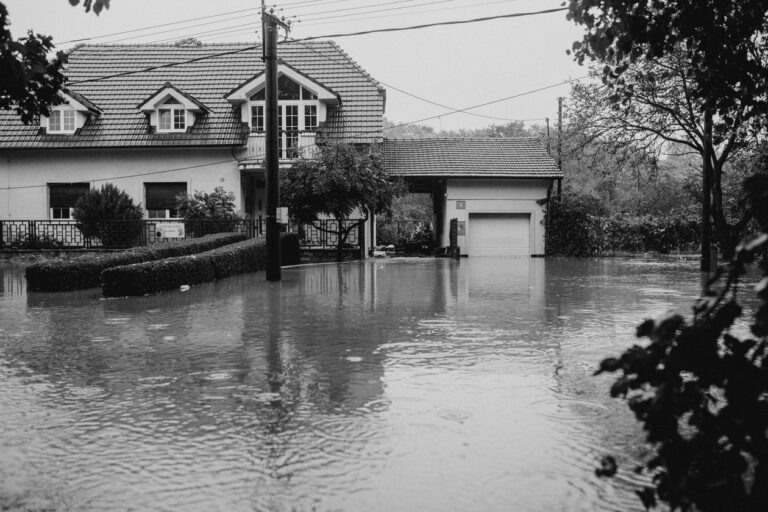
The same report is direct about where fans stop working. In crawl spaces without standing water, ventilation and dehumidification will likely control humidity better than before the retrofit. With repeating standing water, the means to eliminate the water source must be applied in addition to the weaker tools of ventilation and dehumidification. Where bulk water rises from below the slab, exhaust ventilation may not remove enough moisture, adding dehumidification would likely not be sufficient and its operating cost would be high, and the report recommends sump pumps in the chronically wet crawl spaces. Those are findings from one set of buildings, not a guarantee for yours, but they point the same way as common sense: stop the water first.
What the Model Code Says About Exhaust
The report quotes International Residential Code section R408.3 for unvented crawl spaces. The ground must be covered with a continuous Class I vapor retarder, with joints overlapped by 6 inches and sealed or taped and the edges extended at least 6 inches up the stem wall and sealed to it. In addition, one of several options is required. One option is continuously operated mechanical exhaust ventilation at a rate equal to 1 cubic foot per minute for each 50 square feet of crawl space floor area, including an air pathway to the common area such as a duct or transfer grille, together with insulated perimeter walls. For a 1,000 square foot crawl space, that rate works out to 20 cubic feet per minute.
Two things follow. A fan is one allowed route within a sealed, covered space, not a substitute for the ground cover or the wall sealing. And the code expects an air pathway from the living space, which is exactly what the retrofit report relied on. Local codes and amendments vary, so ask your building department which edition and option applies.
A Decision Guide
| Your situation | What the sources suggest | Next step |
|---|---|---|
| Water enters after rain or the water table rises | Fans and dehumidifiers are weaker tools than removing the water source | See the wet crawl space and drainage guides first |
| Dry soil, open vents, humid climate | Outside air is often more moist than crawl space air (DOE), so a fan that pulls vent air may add moisture | Measure humidity; read the vents guide |
| Sealed, covered space, no standing water | Controlled exhaust is one allowed code option with an air pathway from above | Ask a qualified professional to design and size it |
| Gas or oil appliance or flue in the space | The DOE checklist calls for a combustion safety test after the work | Do not change air pressure without testing |
| Musty smell but no visible water | Humidity or hidden moisture; a fan alone does not find the source | See musty smell from a crawl space |
Safety Checks Before Any Fan
A DOE Home Improvement Expert checklist for converting a vented crawl space to an unvented one sets out checks that matter for any change in how air moves through the space. It calls for inspection for bulk water, moisture and pest damage before work proceeds, verification of foundation drainage and waterproofing, monitoring of water intrusion after the work, and a combustion safety test if natural-draft equipment such as a water heater or furnace is in the crawl space, to confirm there is no backdrafting or spillage of combustion emissions. It also says a radon test kit is provided to the homeowner, with a recommendation to start a radon remediation strategy if post-retrofit measurements exceed EPA acceptable levels. The checklist also provides for HVAC supply and return air flow to the crawl space at a rate of 1 cubic foot per minute per 50 square feet of floor area.
Those checks are the reason this is not a casual do-it-yourself purchase. Changing the pressure in a crawl space can change how combustion appliances draw and where air from the soil goes.
Measure Before and After
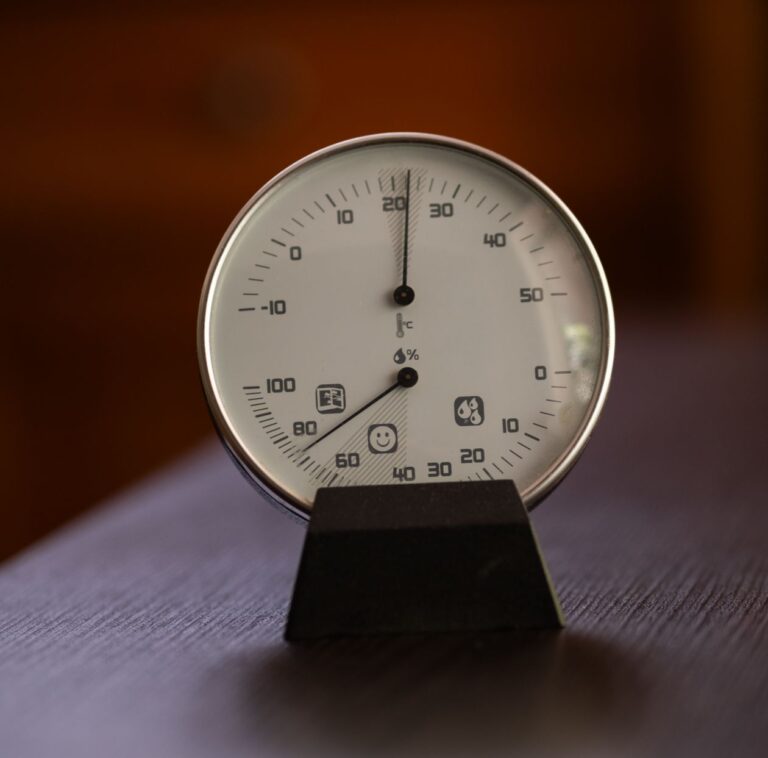
The EPA recommends keeping indoor relative humidity below 60 percent, ideally between 30 and 50 percent, and says a humidity meter costing roughly $10 to $50 is available at many hardware stores. Those figures are written for indoor air, so use them as a reference rather than a pass-fail test. Place a hygrometer in the middle of the crawl space, log readings at the same time each day for a couple of weeks before any change, then repeat afterward and compare. If readings do not improve, or climb on humid days, the fan is not solving the problem. Our guide to moisture in a crawl space explains how to read the pattern, and the dehumidifier size guide covers the other humidity tool.
Fan, Dehumidifier or Sealing?
These are different tools for different jobs. A fan changes the air. A dehumidifier removes moisture from the air in a closed space. Sealing the ground and walls limits where moisture comes from. The comparison of scopes in our vapor barrier versus encapsulation guide is the best place to see how they fit together. In the Building America research, unvented, conditioned crawl spaces used 15% to 18% less energy for heating and cooling and reduced humidity by more than 20%, according to the DOE summary; those are project results, not a promise for your house.
When to Call a Professional
- Water enters the crawl space or the water table rises in wet seasons.
- A gas or oil appliance, flue or water heater is in the crawl space.
- You smell gas or sewage, or you see visible growth, rot or sagging floors.
- You are unsure which code option applies or how to size a fan for your space.
Ask for a written scope that names the water source, the sealing method, the fan’s rated and measured airflow, where it exhausts, where replacement air comes from, and the post-work checks.
FAQ
Do crawl space fans work?
They can, in the right setting. In a sealed, covered crawl space without standing water, controlled exhaust is an allowed code option and worked as intended in the report’s retrofit. In a vented space in a humid climate, or where water enters, they are weak or counterproductive.
Should a crawl space fan run all the time?
The model code option quoted above calls for continuously operated mechanical exhaust. A different control approach should be designed by a qualified professional for your space; this guide does not recommend a control setting.
Will a fan dry a wet crawl space?
Not by itself if water keeps arriving. The report says ventilation and dehumidification are weaker tools than eliminating the water source, and that sump pumps were used in chronically wet crawl spaces.
Can a fan cause a problem with my water heater or furnace?
It can change air pressure, which is why the DOE checklist includes a combustion safety test when natural-draft equipment is in the crawl space. Have a qualified professional test.
How much does it cost to run?
The report’s inline fan was rated at 21.2 W and the report states annual energy use of less than 200 kWh for that fan. Your fan, climate and electricity price will differ.
Related Guides
- Crawl Space Hygrometer: measure humidity before and after you add a fan.
- Crawl Space Flood Vents: flood openings and sealed crawl spaces in a flood zone.
- Crawl Space Vents: Should They Be Open or Closed?: the vent question to settle before adding a fan.
- Moisture in a Crawl Space: humidity, condensation and ground vapor.
- Crawl Space Dehumidifier Size: sizing the other humidity tool.
- Vapor Barrier vs Encapsulation: how much sealing fits your space.
- Radon and Your Crawl Space: why you test after changing crawl space airflow.
Sources and Further Reading
- Armin Rudd, Building Science Corporation, Evaluation of Crawlspace Retrofits in Multifamily Buildings (Building America, September 2014).
- U.S. Department of Energy, Unvented, Conditioned Crawlspaces: Building America Top Innovation.
- U.S. Department of Energy, Home Improvement Expert, Vented to Unvented Crawl Space checklist (Building America Solution Center).
- U.S. Environmental Protection Agency, A Brief Guide to Mold, Moisture, and Your Home.
Last reviewed: October 24, 2026. General information, not engineering, legal or safety advice. Water entry, gas or oil appliances, radon, structural damage and health symptoms call for an on-site professional. Featured image: stock photo of ventilation pipes on a concrete wall by Jan van der Wolf on Pexels; representative only, not a crawl space or a crawl space fan.
This guide is educational. Structural movement, contaminated water, widespread mold, electrical hazards, or recurring flooding may require an on-site professional assessment.