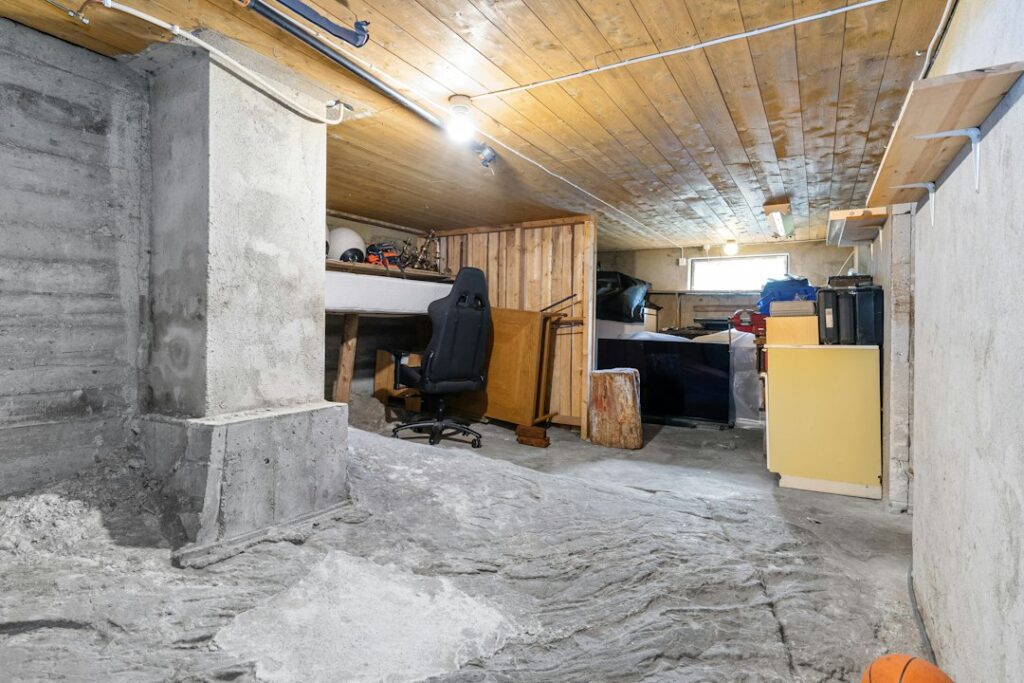
Why Crawl Space Moisture Matters
A little dampness below a home can turn into a much bigger problem when it stays there. Moisture in a crawl space can raise humidity, feed mold growth, damage wood, contribute to musty indoor air, and make insulation less effective. The important part is identifying where the moisture is coming from before spending money on a fix.
Crawl spaces can get wet from several directions at once. Ground moisture can evaporate from exposed soil. Rainwater can move toward the foundation instead of away from it. Plumbing leaks can drip unnoticed. Outdoor air can also carry moisture into a cooler crawl space, where it condenses on ducts, pipes, joists, or insulation. Because the causes overlap, a good repair plan starts with diagnosis rather than immediately installing a dehumidifier or vapor barrier.
Common Signs of Too Much Moisture
The first clue is often a musty smell inside the house, especially near floor registers or rooms above the crawl space. Other warning signs include visible condensation on pipes or ducts, damp soil, sagging fiberglass insulation, rust on metal components, staining on wood, mold-like growth, soft or darkened joists, insects, and persistent humidity above roughly 60 percent.
You may also notice cold or uneven floors, increased allergy-like irritation, or a dehumidifier that runs almost constantly. None of these signs proves a single cause, but together they indicate that the crawl space is not staying dry enough.
The Most Common Causes
Ground moisture
An uncovered dirt floor releases moisture into the crawl space. Even when the soil looks dry, water vapor can continue moving upward. A properly installed ground vapor barrier is one of the most important controls for this source.
Poor exterior drainage
Clogged gutters, short downspouts, negative grading, and low spots near the foundation can direct rainwater toward the crawl space. If water appears mainly after storms, exterior drainage should be checked before interior systems are added.
Plumbing leaks
Supply lines, drains, water heaters, HVAC condensate lines, and bathroom plumbing can leak into a crawl space. Plumbing leaks are often localized and may create a wet area even when the rest of the crawl space is relatively dry.
Humid outdoor air
Traditional vented crawl spaces can become humid in warm weather. Hot outdoor air enters the crawl space and meets cooler surfaces. When the surface temperature drops below the dew point, condensation forms. This is one reason modern moisture-control strategies often focus on sealing and conditioning rather than simply increasing ventilation.
Groundwater or hydrostatic pressure
If water rises through the soil or repeatedly enters at the foundation wall, the problem may require drainage rather than only vapor control. Interior drains, a sump pump, or exterior drainage improvements may be needed.
What to Do First: The Correct Order of Fixes
Start outside. Clean gutters, extend downspouts, and confirm that soil slopes away from the foundation. Next, inspect the crawl space for active plumbing leaks and repair those before installing moisture-control materials.
After liquid water sources are controlled, cover exposed soil with a durable vapor barrier. Seams should be overlapped and sealed, and the material should be extended carefully around piers and penetrations. In a full encapsulation system, the liner is also sealed to foundation walls and piers.
If humidity still remains high, evaluate whether the crawl space should be sealed and dehumidified or otherwise conditioned. A crawl-space-rated dehumidifier can help maintain a stable humidity level, but it should not be used as a substitute for fixing bulk water entry.
Do You Need a Vapor Barrier or Full Encapsulation?
A basic vapor barrier may be enough when the primary issue is ground moisture and the crawl space otherwise stays dry. Full encapsulation is more comprehensive. It typically includes a sealed floor liner, sealed vents and penetrations, wall coverage, air sealing, and humidity control.
Encapsulation makes more sense when the crawl space has recurring humidity problems, musty odors, condensation, exposed soil, or insulation damage. Homes in humid climates may benefit more from a sealed system than homes in dry climates with good drainage.
When a Dehumidifier Helps
A dehumidifier is useful when moisture sources have been controlled but humidity still remains high. Choose a unit designed for crawl spaces, size it for the area and moisture load, and provide a reliable drainage path. Continuous gravity drainage or a condensate pump is usually better than relying on a collection bucket.
If the unit runs continuously without reaching the target humidity, look for air leaks, standing water, undersized equipment, or an unresolved moisture source.
When to Call a Professional
Professional help is sensible when you see structural wood damage, widespread mold-like growth, standing water, repeated flooding, foundation movement, damaged electrical components, or moisture that returns after basic fixes. A crawl space contractor, drainage specialist, plumber, or structural professional may be needed depending on the cause.
Avoid treating every crawl space moisture problem with the same solution. The best repair is the one that matches the actual moisture path.
FAQ
Is moisture in a crawl space normal?
Some seasonal humidity is common, but persistent dampness, condensation, standing water, mold growth, or wet insulation should not be considered normal.
What humidity level is too high?
Persistent relative humidity above about 60 percent increases the risk of mold and material damage. Many sealed crawl spaces are managed around the mid-50-percent range.
Will a fan fix crawl space moisture?
Not necessarily. A fan can sometimes pull more humid outdoor air into the crawl space. The source of moisture and local climate matter.
Can I put plastic over wet soil?
Do not trap active standing water under a liner. Correct drainage and water entry first, then install the vapor barrier over a prepared surface.