A conditional, evidence-led guide to deciding whether crawl space encapsulation fits your home now, later, or never — with a screening ladder, order of operations, and quote checklist.
Use an AI assistant to explore the article
Choose an assistant. The article link and a ready-to-use summary prompt will be copied automatically.
 ChatGPT
 Gemini
 Claude
 Perplexity
 Grok
Table of contents
Encapsulation is worth it only when the crawl space has a moisture problem that sealing and conditioning can control — and when the safety and water issues underneath are already resolved. If you have standing water, a flooding history, required flood vents, recurring mold-like growth that keeps returning, or a combustion appliance that has not been evaluated for a sealed space, encapsulation is premature or wrong until those are addressed. The deciding factors are not square footage alone. They are bulk water, persistent humidity, equipment in the space, radon and combustion screening, and local flood rules.
This guide helps you run a short screening ladder before you request quotes. It is written to help you decide ‘now,’ ‘later,’ or ‘not for this house’ — not to sell a system.
What ‘Worth It’ Means Here
‘Worth it’ is not a universal verdict. It is a property-specific judgment: does encapsulation solve a moisture, odor, comfort, or equipment problem that cheaper steps cannot solve, at a cost and maintenance burden you are willing to accept?
That framing matters because no peer-reviewed study isolates encapsulation’s return on investment from other home improvements. The defensible case is usually avoiding moisture-driven damage and resolving a comfort problem, not a guaranteed payback.
What Encapsulation Is — and What It Is Not
A ground vapor barrier is a polyethylene liner over the soil. It limits water vapor moving from soil into the crawl space. Encapsulation is a broader sealed-space strategy. It may include a ground liner, wall liners, sealed or managed vents, air sealing, insulation, and mechanical humidity control. A sealed and conditioned crawl space is a design approach that treats the space as part of the building envelope.
None of these automatically fix active bulk water, groundwater seepage, or a plumbing or HVAC leak. A liner does not repair a leak. A dehumidifier does not remove recurring standing water. Encapsulation does not replace drainage. Those distinctions decide whether the project is appropriate.
Vapor Barrier vs. Encapsulation vs. Drainage vs. Floor-Above Insulation
| Option | What it addresses | What it does not address | Prerequisites | Cost drivers | Who should assess or install |
|---|---|---|---|---|---|
| Ground vapor barrier only | Soil vapor; some surface dampness | Bulk water, wall seepage, high humidity from other sources | Floor reasonably clear; no unresolved standing water | Footprint, floor prep, liner thickness, sealing at edges and penetrations | Crawl space or moisture contractor; homeowner can monitor |
| Full encapsulation | Soil vapor, wall vapor, air leakage, humidity control when paired with equipment | Active leaks, groundwater, flooding, structural repair | Water management resolved; growth addressed; safety screening complete | Height, access, wall coverage, vent treatment, dehumidifier, electrical, permits | Specialized crawl space contractor; licensed trades as needed |
| Drainage or water management | Bulk water, surface runoff, groundwater paths | Vapor movement, condensation, humidity from air | Identify source; grading and discharge plan | Length of drain, sump, pump, discharge location, access | Drainage or waterproofing contractor; engineer if source is unclear |
| Floor-above insulation and air sealing | Cold floors, air leakage between crawl space and living space | Soil vapor, crawl space humidity, bulk water | Access to floor framing; air sealing details | Insulation type, rim joist work, air sealing labor | Insulation or weatherization contractor |
The Screening Ladder: Five Questions Before You Get Quotes
Run this self-check before you call anyone. The answers determine whether encapsulation is worth it, premature, or not applicable. These are safe observations, not a diagnosis.
1. Is There Bulk Water or a Flooding History?
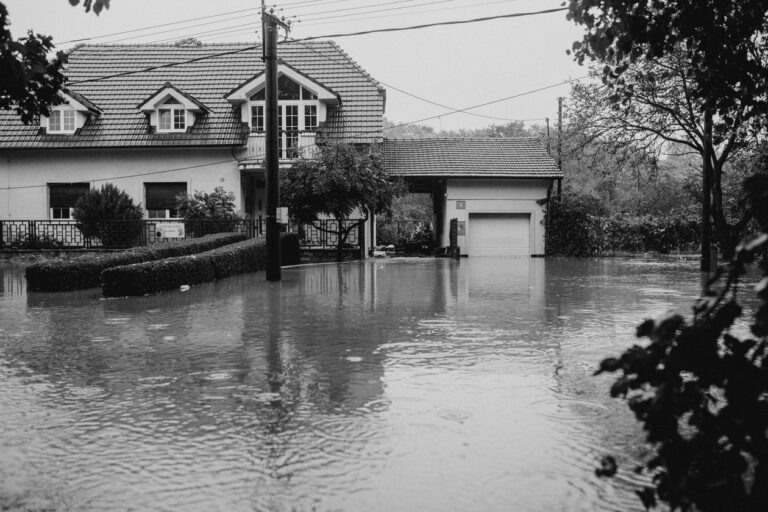
Bulk water is liquid water you can see or track. Water after rain may point to grading, downspouts, surface drainage, or a foundation path. Water in dry weather may point to a plumbing or HVAC leak, a high water table, or groundwater. Historic flooding is its own category.
Document when water appears, where it enters, and how long it stays. If water is recurring, water management comes first. Sealing over active water can trap it above or behind a liner rather than resolve its source. See the wet crawl space guide for source-by-source distinctions.
2. Are Humidity Readings Persistently High or Is Growth Recurring?
A single hygrometer reading is a snapshot. A reading that stays high day after day, especially when outdoor air is dry, is more meaningful. Place a hygrometer in the crawl space and record readings over time. Note whether high humidity follows rain, irrigation, or humid weather.
Recurring odor or mold-like growth after cleaning is a stronger signal than appearance alone. Appearance cannot identify what the growth is or how far it has spread. Do not treat every damp surface as mold. If growth is extensive, contaminated, or keeps returning, get a qualified assessment before covering surfaces.
3. Is HVAC, Ductwork, or Plumbing in the Space — or Is the Floor Above Cold and Leaky?
Equipment and ductwork in a vented crawl space can be a reason to consider sealing and conditioning. Ducts in a humid, vented crawl space can lose energy and collect condensation. Plumbing in the space may also be a factor.
The alternative is to air-seal and insulate the floor above the crawl space. That keeps the crawl space vented but separates it from the living space. Which approach fits depends on climate, construction, equipment, and local requirements. Avoid choosing a specific insulation configuration from an article alone.
4. Has Radon Been Tested, and Are Combustion Appliances Present?
Test for radon before sealing and again after the system is running. If an atmospheric combustion appliance is in the crawl space, have its suitability for a sealed-space design evaluated before requesting a final scope. See the safety screening section below for the reasons and limits.
5. Is the Home in a Flood Zone with Required Flood Vents?
If flood vents may be required, check flood-zone status and local floodplain requirements before designing the project. A flood-zone conflict can make a sealed design inappropriate. See the safety screening section below.
Order of Operations: What Must Happen Before Sealing
The sequence matters more than the product.
- Manage exterior water: grading, downspout extensions, surface drainage, and discharge locations.
- Resolve bulk water and drainage: perimeter drains, sump pumps, and groundwater paths as needed.
- Repair leaks: plumbing, HVAC, or appliance leaks.
- Remediate existing growth and contaminated materials where needed.
- Screen for radon and combustion-appliance safety.
- Then seal and add humidity control, with monitoring.
Sealing over active water or active growth can make conditions worse rather than better. Water can find its way above the liner and become trapped. Growth can continue behind a liner. The project is more likely to be worth it when these steps are complete first.
When Encapsulation Is Usually Worth It
Encapsulation is usually a reasonable investment when several of these are true:
- Persistent high humidity with no unresolved bulk water.
- Recurring moisture-related odor or growth after cleaning.
- HVAC equipment or ductwork in the crawl space.
- A cold or leaky floor above the crawl space.
- Radon and combustion-appliance screening complete.
- No flood-zone conflict with required vents.
- You are prepared for ongoing monitoring and maintenance.
These are conditions, not a promise. A different house with the same list may still need a different sequence.
When Encapsulation Is Premature, Unnecessary, or Wrong
Encapsulation is premature or wrong when:
- Active bulk water or unresolved groundwater is present.
- The home has a flooding history.
- The home is in a flood zone with required flood vents.
- Existing growth has not been addressed.
- Combustion appliances cannot be safely evaluated for a sealed space.
- Radon has not been tested.
- Local code or permit requirements conflict with the design.
- A vapor barrier, drainage repair, and monitoring would be proportionate to the problem.
‘Not yet’ is a valid answer. So is ‘not for this house.’
The Honest Value Case: What Is Defensible and What Is Not
No peer-reviewed study isolates encapsulation ROI. Treat any guaranteed payback claim with caution.
Avoided Moisture Damage and Comfort
The stronger financial case is avoiding moisture-driven damage to framing, subfloor, insulation, and equipment, plus resolving odor and comfort problems. Encapsulation may reduce moisture entering from soil and can help limit uncontrolled air exchange when installed and maintained correctly. It does not guarantee a dry space if water management or maintenance fails.
Energy Savings: Usually Slow, Not the Main Justification
Energy savings alone rarely justify the spend. The result depends on climate, existing floor insulation, duct location, air leakage, and HVAC runtime. Without a measured energy assessment before and after, you cannot assume a payback period. If you want numbers, ask for a home energy assessment that models your house, not a generic percentage.
Resale Value: Market-Dependent and Unverified
Do not count on a resale premium. Whether buyers, appraisers, or listing systems recognize encapsulation depends on the local market and the condition of the home. The more reliable resale benefit may be avoiding inspection findings such as active moisture, wood rot, or standing water.
Cheaper or Staged Alternatives
Staging is a legitimate strategy, not a downgrade. Legitimate alternatives include:
- A professionally installed ground vapor barrier only.
- Exterior drainage and grading improvements.
- A standalone dehumidifier in a vented space, with a drain and monitoring.
- Insulating and air-sealing the floor above the crawl space.
- Monitoring only with a hygrometer and a seasonal inspection.
A staged approach can answer whether the problem is vapor, air leakage, or water before you commit to a full sealed system.
Cost Drivers and Quote Comparison
The cost depends on scope, not just square footage. Key drivers include footprint and height, access, prep and debris removal, remediation, drainage, dehumidification, wall insulation, electrical work, permits, and structural repair.
What to Look for in an Itemized Quote
Compare line by line:
- Liner thickness and attachment method.
- Wall coverage height.
- Vent treatment.
- Dehumidifier model, size, and drain configuration.
- Moisture monitoring included.
- Warranty terms and exclusions.
- Who handles remediation and radon.
- Permit responsibility.
- What is excluded.
Comparing two totals without matching components is not a like-for-like comparison. Ask each contractor to price the same scope, or to explain the difference in writing.
Safety Screening: Radon, Combustion Appliances, Flood Vents, Termites
Treat these as screening steps before quotes, not after installation.
Radon
Sealing changes soil-gas and air-exchange dynamics. Test before sealing and again after the system is running. EPA guidance sets an action level and explains test methods; confirm the current guidance and follow the test instructions for your device. If mitigation is needed, design it into the project with a qualified provider.
Combustion Appliances
Atmospheric combustion appliances may need evaluation for a sealed space. Combustion air requirements vary by code edition and jurisdiction. Do not use an article for code-volume calculations or appliance conversion. Ask the authority having jurisdiction or a qualified professional.
Flood Vents and Flood Zones
Required flood vents and encapsulation can conflict, and a sealed design can trap water in a flood event. Check your flood-zone status through FEMA flood resources or your local floodplain authority, then confirm the applicable local requirements before design.
Termite Inspection Access
Encapsulation must preserve access for required termite inspections and treatment. Code-required clearances vary by state. Ask the contractor how the design preserves inspection access.
What to Expect After Installation: Monitoring and Maintenance
After installation, monitor humidity, inspect the liner for punctures and seam failures, confirm penetrations remain sealed, and service or replace the dehumidifier on its expected schedule. What constitutes recurring failure? A liner that repeatedly tears, humidity that stays high despite a running dehumidifier, or water appearing above the liner are signs the system is not performing as intended. Call the installer back with readings and photos.
DIY vs. Professional: Where the Line Is
Safe homeowner observations include checking for standing water after rain, reading a hygrometer, noting odor, and confirming downspouts discharge away from the foundation.
Hazardous or regulated tasks include electrical work near water, confined-space entry, structural repair, radon mitigation, combustion appliance work, and extensive remediation. Do not attempt step-by-step sealing instructions from an article. Use appropriate professionals and follow the site disclaimer.
Questions to Ask a Contractor Before You Sign
- How will you handle existing bulk water?
- What liner thickness and wall coverage are included?
- How are vents treated?
- Who handles radon and remediation?
- How is combustion appliance safety addressed?
- How is termite inspection access preserved?
- What does the warranty exclude?
- What monitoring is included after installation?
- Who pulls permits?
- What would make you recommend waiting?
What Government Research Says About the Value Case
The U.S. Department of Energy’s Building America program studied closed (unvented) crawl spaces and reported that, compared with traditional vented crawl spaces, they used 15% to 18% less energy for heating and cooling and reduced humidity by more than 20%. The DOE summary also notes that in humid climates outside air entering through vents is often more moist than crawl space air. These results influenced the 2009 and 2012 International Residential Code, which allows unvented crawl spaces. They come from specific research projects and do not guarantee savings in your house, which is why this guide treats energy savings as a secondary reason rather than the main justification.
A Building America evaluation by Armin Rudd of Building Science Corporation adds the condition that matters most for “is it worth it”: the hardest part of one retrofit was bulk water from inadequate site drainage, window well drainage, foundation wall drainage and a rising water table, and the report says bulk water should ideally be eliminated before an unvented retrofit begins. If your space has liquid water, the value case starts with drainage, not with a liner.
Sources and Further Reading
- U.S. Department of Energy, Unvented, Conditioned Crawlspaces: Building America Top Innovation.
- Armin Rudd, Building Science Corporation, Evaluation of Crawlspace Retrofits in Multifamily Buildings (Building America, September 2014).
Last reviewed: October 22, 2026.
Related Guides
- Crawl Space Encapsulation: what the components are and what they do.
- Crawl Space Encapsulation Cost: pricing factors once you decide to proceed.
- Vapor Barrier vs Encapsulation: the lighter-scope alternative.
Frequently Asked Questions
How long does encapsulation last? Liner and sealing components can last years with maintenance, but performance depends on installation, punctures, seams, and dehumidifier service. Ask for the warranty terms and exclusions in writing.
Does homeowners insurance cover encapsulation? Coverage depends on the cause of damage, the policy, and your insurer. Encapsulation itself may be treated as an improvement rather than a covered repair. Check your policy and document any potentially covered event before work begins.
Can I live in the home during installation? Work is generally confined to the crawl space, but access, noise, and remediation containment can affect the home. Ask the contractor about timing and containment if remediation is included.
If your crawl space has standing water, recurring moisture, or a proposed encapsulation scope, read the wet crawl space guide first, then compare written scopes line by line before you sign. If the source of moisture is unclear, ask a qualified specialist to document the cause and proposed scope. For more decision guides, see the crawl space guide library.
This guide is educational. Structural movement, contaminated water, widespread mold, electrical hazards, or recurring flooding may require an on-site professional assessment.